

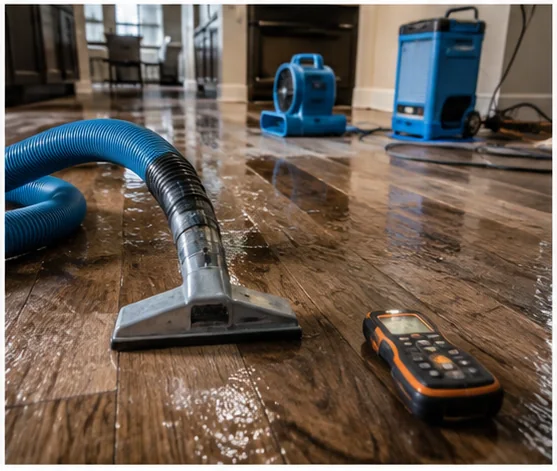
Water Extraction in Dallas, TX
Water extraction in Dallas, TX is the front end of a dry-out, not a standalone finish. Removing standing water quickly helps limit spread, but the property still needs moisture mapping, material checks, and drying decisions after extraction.
Call (281) 671-7777 Contact Remediate Renovation
Why Extraction Comes First
Standing water can move under flooring, behind baseboards, into cabinets, and across adjoining rooms. Extraction reduces the amount of water left to evaporate, but hidden moisture can remain in building materials after the surface looks clear.
Dallas Property Conditions To Watch
Dallas losses may occur in apartments, slab-on-grade homes, townhomes, and commercial interiors where water can travel through shared walls, hallways, or utility spaces. Drainage and severe-weather context can also change whether water should be treated as clean, gray, or unknown.
Documentation For The Next Step
After extraction, moisture readings and room notes help decide where drying equipment belongs and what materials may need removal. This page keeps reconstruction as a later decision after mitigation information is available.
Local Planning Context
Dallas extraction planning may involve urban drainage, apartment and commercial corridors, slab-on-grade homes, and quick separation between clean-water losses and unknown water.
Official Safety References
FAQ
Is water extraction the same as water damage restoration?
No. Extraction removes standing water; restoration planning also includes moisture mapping, drying, documentation, and material decisions.
Can a floor stay wet after visible water is removed?
Yes. Moisture can remain below flooring, behind trim, or inside wall cavities.
Should contaminated water be extracted differently?
Yes. Unknown, sewage, or stormwater sources require more caution than a clean plumbing leak.