

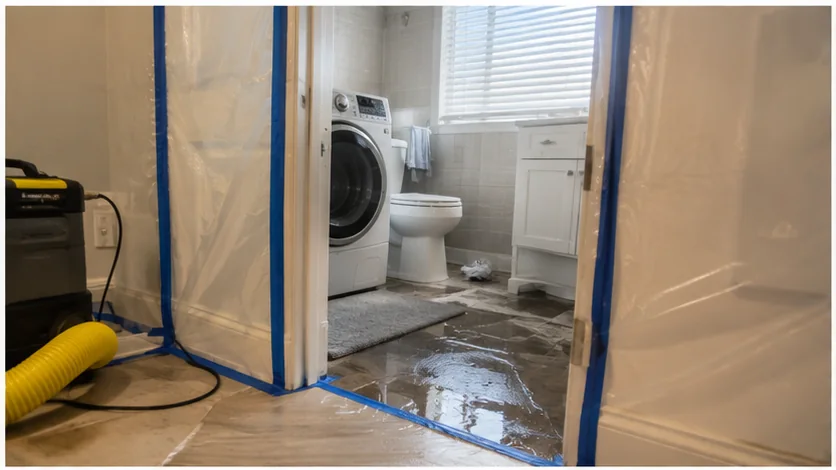
Sewage Cleanup in Dallas, TX
Sewage cleanup in Dallas, TX has to be treated differently from a clean-water leak. The first priority is keeping people out of contaminated areas, stopping additional spread when it is safe, and deciding which materials can be cleaned, disinfected, dried, or removed.
Call (281) 671-7777 Contact Remediate Renovation
Why Sewage Cleanup Is A Safety Scope
Sewage or unknown water may carry bacteria, chemicals, and debris into flooring, baseboards, cabinets, wall cavities, and stored contents. Casual mopping can spread contamination, especially when wet porous materials are walked through or fans push air across affected rooms.
Dallas Conditions That Change The Work
Stormwater and drainage issues around the Trinity River watershed or White Rock Creek tributaries can complicate an overflow or backup because the water source may not be limited to one fixture. DallasAlert and outdoor warning resources help owners track severe-weather context while cleanup is planned.
What Gets Documented Before Rebuild
Photographs, affected-room notes, material categories, and moisture readings help separate emergency cleanup from later repairs. This page does not promise insurance outcomes or regulated hazardous-material work.
Local Planning Context
Dallas flood and stormwater planning centers on the Trinity River watershed, White Rock Creek tributary context, DallasAlert, and the Outdoor Warning System.
Official Safety References
FAQ
Can I use household fans after a sewage backup?
Avoid using fans on sewage or unknown water because airflow can spread contamination into cleaner areas.
What should be done first after a Dallas sewage backup?
Keep people out of affected rooms, stop the source if it is safe, document visible conditions, and arrange cleanup before disturbing wet materials.
Does sewage cleanup automatically mean reconstruction?
No. Cleanup and drying come first; reconstruction is a separate scope when materials cannot be safely cleaned or dried.