

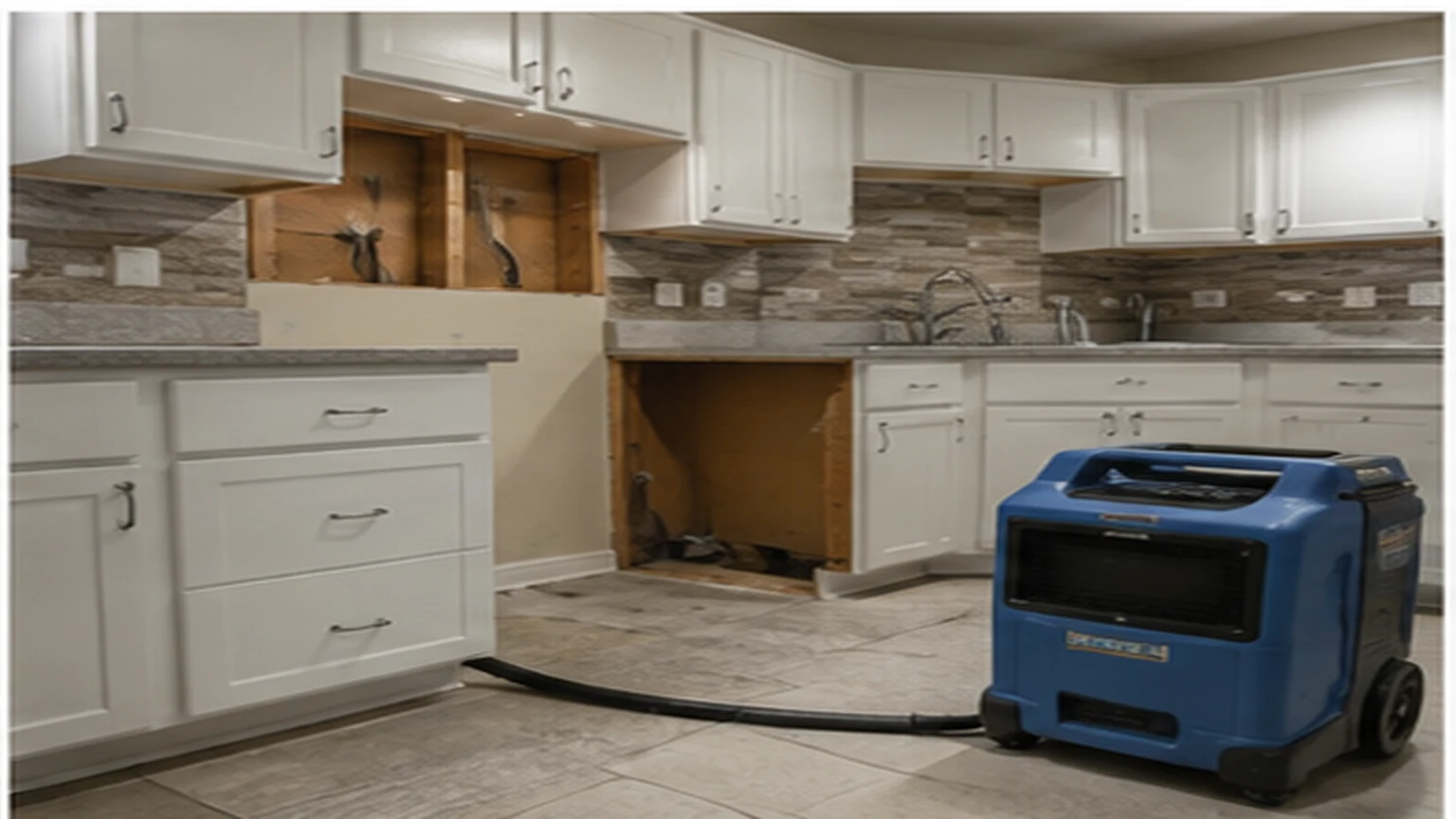
Mold Remediation in Grand Prairie, TX
Mold remediation in Grand Prairie should start with source control, documentation, containment thinking, and clear boundaries between moisture repair, cleanup, porous-material decisions, and reconstruction. Remediate Renovation presents this page as evidence-led local guidance without unsupported health, certification, response-time, rating, warranty, or completed-project claims.
Call (281) 671-7777 Contact Remediate Renovation
Semrush Intent And URL Ownership
Semrush Keyword Overview captured September 4, 2026 maps this URL to mold remediation grand prairie tx with US volume 0, KD n/a, intent n/a, CPC $0, and competitive density 0. Semrush visible UI found zero primary/variant volume for checked remediation/removal/service terms; page is treated as owner-directed foundation coverage with weak demand evidence. Observed competitors or SERP references include no populated SERP table for the checked phrase. This URL owns the city-specific mold-remediation intent and stays separate from water damage, water extraction, fire/smoke, storm, sewage, HEPA, asbestos, lead-paint, and educational article intents.
Grand Prairie Moisture And Mold Context
Grand Prairie participates in FEMA’s NFIP and its floodplain department describes standards for structures near the 100-year floodplain. For mold work, that context matters only after a real moisture source or affected material is observed; city floodplain or drainage data does not prove a specific property has mold.
Local Building Conditions To Document
In Grand Prairie, the page-specific planning emphasis is ground-floor homes, warehouses, patio thresholds, lake-area humidity, and storage-room materials. Document the first moisture source, nearby porous materials, HVAC or utility spaces, cabinet bases, closets, and any materials disturbed before inspection or cleanup.
City-Specific Scope Notes
For Grand Prairie, the page is intentionally conservative because Semrush did not show measurable city-specific demand. The useful local angle is ground-floor and storage-space documentation: patio thresholds, warehouse edges, lake-area humidity, garage storage, and slab transitions where damp materials may stay hidden.
Texas Mold Safety And Consumer Guidance
Texas mold work can involve regulated assessment and remediation roles. Because license and registration details are owner-managed fields, this page does not display or imply a TDLR license number. Property owners should use official TDLR and Texas Attorney General resources when license status, role separation, or consumer-protection questions matter.
Emergency Guidance Before Disturbing Materials
Do not start broad demolition from the deepest puddle; map water from entry point to last wet material and then stage extraction. EPA and CDC mold cleanup guidance emphasize fixing the moisture problem, drying materials, using protective precautions, and avoiding unsafe disturbance. Do not mix chemicals, do not blow fans across suspected mold, and keep vulnerable occupants away from affected areas when conditions are uncertain.
Internal Restoration Links
Related pages include water damage restoration in Grand Prairie, water extraction in Grand Prairie, storm damage restoration in Grand Prairie, fire damage restoration in Grand Prairie, and contact. Some related pages may be completed in later accepted batches.
Official References
- www.gptx.org
- www.tdlr.texas.gov
- www.texasattorneygeneral.gov
- www.epa.gov
- www.cdc.gov
- www.epa.gov
- www.epa.gov
- www.fema.gov
- www.ready.gov
- www.weather.gov
- drivetexas.org
FAQ
Does Semrush prove commercial Grand Prairie mold demand?
No. The checked Semrush phrases showed zero volume. This is recorded honestly while the owner-directed foundation page provides local safety guidance.
Why still include local infrastructure context?
Ground-floor water entry, storage spaces, warehouses, and lake-area humidity can help users document risk without claiming a specific property condition.
What should be separated in the work scope?
Moisture repair, contents handling, containment, porous-material decisions, and reconstruction should be documented separately.