

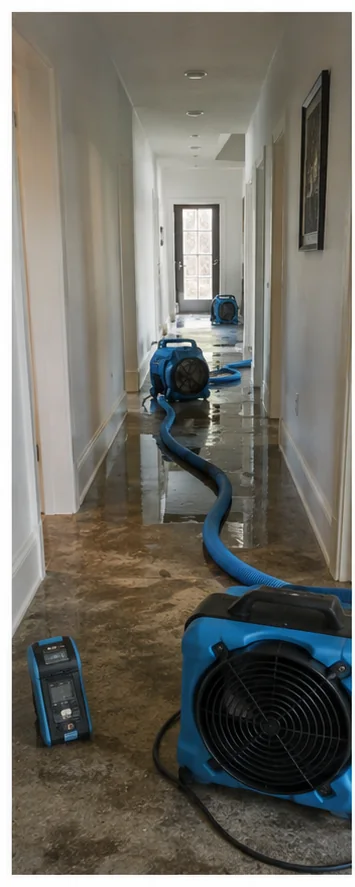
Flood Damage Restoration in Dallas, TX
Flood damage restoration in Dallas, TX should start by tracing the water path before finishes are disturbed. Hallways, shared walls, baseboards, cabinets, and flooring transitions can hold moisture after standing water is removed.
Call (281) 671-7777 Contact Remediate Renovation
Map The Water Path First
Floodwater and heavy rain intrusion can move farther than the first visible puddle. A room-by-room map helps separate the entry point, traveled path, and areas that need drying or material removal.
Dallas Drainage Context
Dallas stormwater and floodplain resources make drainage context important when a property loss follows severe weather. The source may involve roof openings, doors, low thresholds, exterior grading, or neighborhood runoff.
Keep Mitigation Separate From Rebuild
Extraction, cleaning, drying, and documentation belong before reconstruction decisions. That keeps emergency mitigation focused and avoids hiding wet materials behind new finishes.
Local Planning Context
Dallas floodplain and drainage resources center on stormwater operations, floodplain management, DallasAlert, and local warning systems around Trinity River watershed conditions.
Official Safety References
FAQ
Is flood damage restoration different from ordinary water damage?
Yes. Flood or stormwater exposure can involve unknown water quality and wider material sorting than a small clean-water leak.
What should Dallas owners document first?
Document water entry points, affected rooms, flooring transitions, wet contents, and visible debris before materials are moved.
Can wet walls look dry on the surface?
Yes. Moisture can remain behind trim, inside drywall, and below flooring after surface water is gone.